
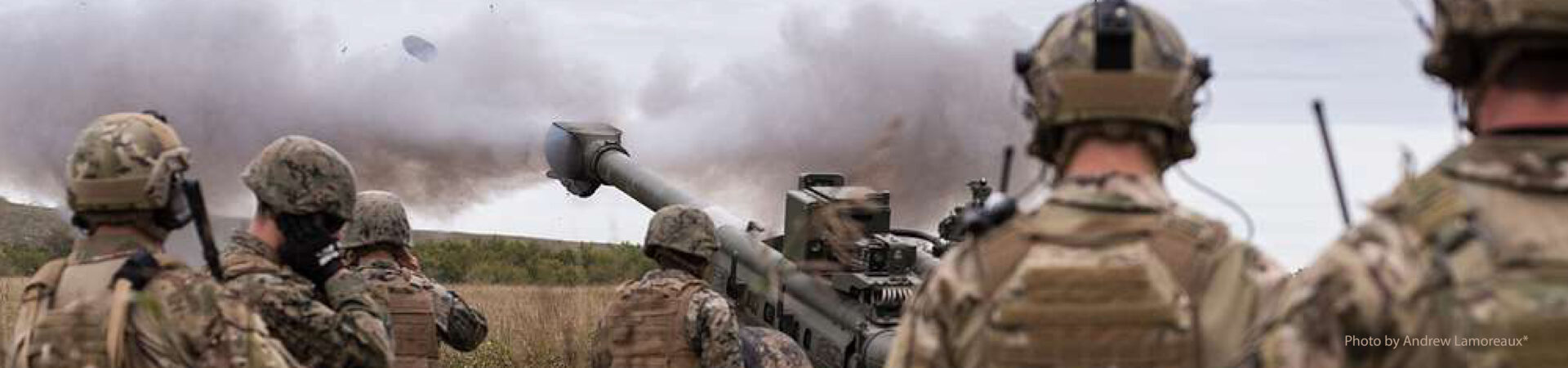
Combat Systems Development & Support
Combat Systems Development & Support
The NASC Combat Systems Development and Support Sector comprehensively understands the framework, planning, and assessment necessary for developing comprehensive solutions in managing all aspects of employment, operations, design, sustainment and integration of Radar & Sensor Systems in support of Force Protection, Targeting, Counter Fire & Target Acquisition, Intelligence, Surveillance and Reconnaissance functions.
Combat Systems Development & Support Capabilities:
- Expertise across Warfighting Domains
- Focus on Fires Warfighting Function
- Teams Deployed CONUS and OCONUS
- Counterbattery Radar Expertise and Global Support
- Find Fix Track Target Engage Assess
- Networked Radar System of Systems Global Support
- Office of the Secretary of Defense Program Analyst Support
- Joint Exercise & Demonstration Executive Support
- Unmanned and Autonomous Aerial Systems
With teams located throughout CONUS and OCONUS, the NASC Combat Systems Development and Support Sector provides comprehensive RADAR, Sensor, UAS Detection, Targeting and Command, Control, Communications, Computers, Intelligence, Surveillance and Reconnaissance, (C4ISR) expertise. This includes training and the curriculum development associated with all our programs.
NASC is adept and brings a wealth of current experience in the C4ISR functional areas throughout the DOTMLPF-P domains ranging from the integration of automated command and control systems with Radar sensors, targeting and fires processes and airspace coordination and de-confliction. This experience supports multi-domain targeting and combined arms as a function of the greater fires warfighting function.
The NASC Combat Systems Development and Support Sector comprehensively understands the framework, planning, and assessment necessary for developing comprehensive solutions in managing all aspects of employment, operations, design, sustainment and integration of Radar & Sensor Systems in support of Force Protection, Targeting, Counter Fire & Target Acquisition, Intelligence, Surveillance and Reconnaissance functions.
With teams located throughout CONUS and OCONUS, the NASC Combat Systems Development and Support Sector provides comprehensive RADAR, Sensor, UAS Detection, Targeting and Command, Control, Communications, Computers, Intelligence, Surveillance and Reconnaissance, (C4ISR) expertise. This includes training and the curriculum development associated with all our programs.
NASC is adept and brings a wealth of current experience in the C4ISR functional areas throughout the DOTMLPF-P domains ranging from the integration of automated command and control systems with Radar sensors, targeting and fires processes and airspace coordination and de-confliction. This experience supports multi-domain targeting and combined arms as a function of the greater fires warfighting function.
Combat Systems Development & Support Capabilities:
- Expertise across Warfighting Domains
- Focus on Fires Warfighting Function
- Teams Deployed CONUS and OCONUS
- Counterbattery Radar Expertise and Global Support
- Find Fix Track Target Engage Assess
- Networked Radar System of Systems Global Support
- Office of the Secretary of Defense Program Analyst Support
- Joint Exercise & Demonstration Executive Support
- Unmanned and Autonomous Aerial Systems
Fire Support Systems & Sensors Group
NASC Fire Support Systems & Sensors Group is proficient at developing and retaining a talented workforce and provides its employees with resources and training necessary to deliver outstanding technical support. With extensive and ongoing training experience in fire support, targeting, and target acquisition, our Subject Matter Experts (SMEs) provide analysis of emerging requirements, testing, fielding and training of new equipment.
NASC SMEs also provide turnkey support of curriculum development, training, technical manual development, and doctrinal development in support of technical, tactical, and operational functions in the fires functional area. NASC only assigns knowledgeable, qualified professionals to every customer task.
Fire Support Systems & Sensors Group Services & Capabilities:
- Instructional Systems Design
- Formal Course Curriculum Development
- Doctrine Development
- Weapon & Sensor System Expertise
- Geospatial – GPS – Inertial
- Target Acquisition – Radar – ISR
- Target Acquisition Tactics Techniques and Procedures
Combat Systems Targeting Group
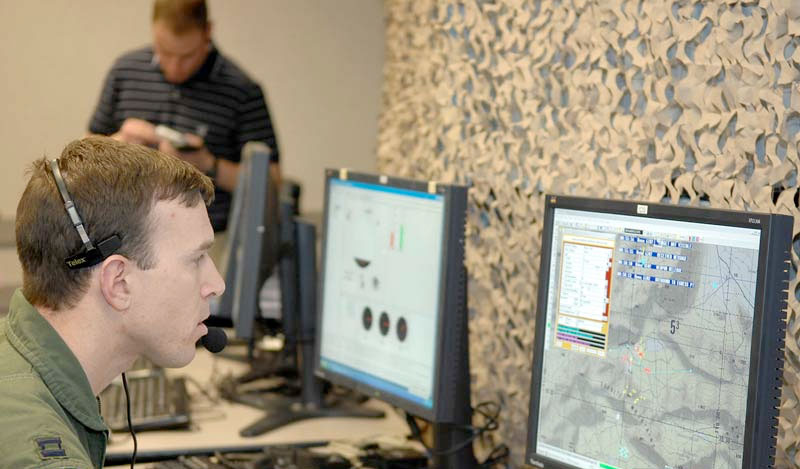
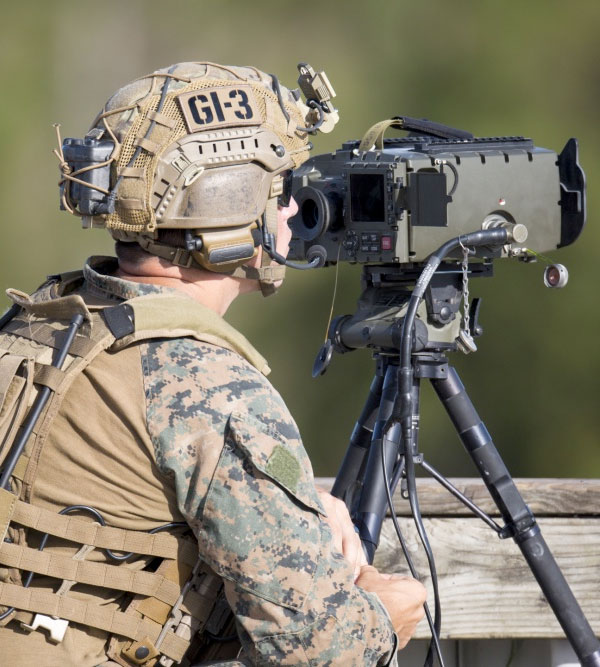
The NASC Combat Systems Development and Support Sector trains U.S. Marine and Naval Special Warfare Joint Fires Observers and Joint Terminal Attack Controllers providing turnkey training and curriculum support to this critical combat capability.
Combat Systems Targeting Group consists of Joint Terminal Air Controller (JTAC) Instructors/Evaluators at Expeditionary Warfare Training Group Pacific and Prior Terminal Attack Controllers certifying Marine Officers at the Fires Center of Excellence in Fort Sill OK. Additionally, NASC provides Fires and Targeting SMEs to support the continued development of Marine Corps’ Target Handoff System (THS) in integrating emerging technologies enhancing the lethality and efficiency of the Warfighter.
Combat Systems Targeting Group Services & Capabilities:
- Training and certifying JFOs and JTACs since 2011
- Joint Fires Observer Training & Certification.
- Tactical Air Control Party Training and Certification
- Joint Terminal Attack Controller Instructor / Evaluators
- Fires Simulation Scenario Development and Operation
- Live Fire JTAC Close Air Support Controls
- Exercise and Demonstration Support
- Digitally Aided Close Air Support (DACAS) Expertise
- Target Handoff System
- Joint Targeting Process
- Joint Fires Tactics, Techniques & Procedures
NASC Radar Support Group
Provides Global Turnkey Radar expertise with specific application to Airspace surveillance leading to early detection, verification and early warning of incoming threat of indirect fire.
- Conduct site surveys, design, installation, operations, and sustainment planning for radar-based systems in high-threat areas.
- Global deployment of radar subject matter experts (SMEs)
- Counter-unmanned aerial systems (C-UAS), and early warning command and control (C2).
Operations
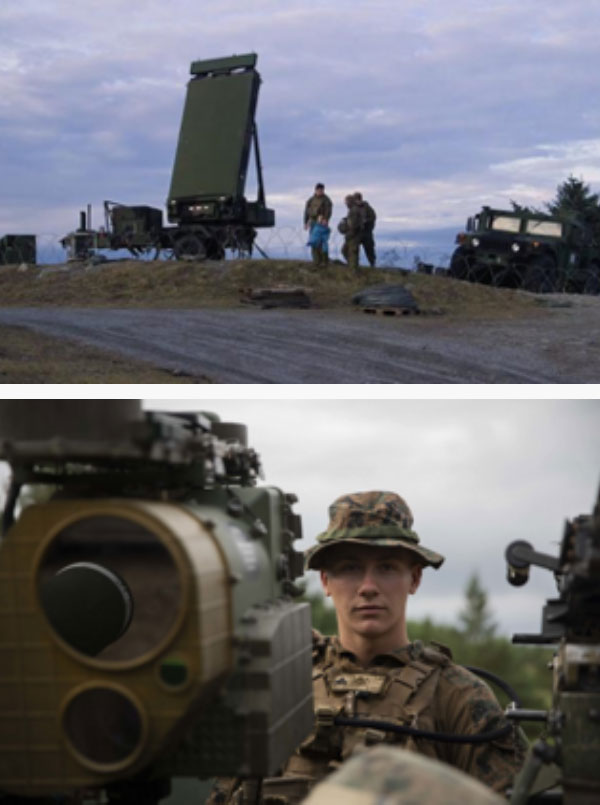
- Early warning sensor network using Q-49 Lightweight Counter Mortar Radar (Q-49 LCMR) and Giraffe Agile Multi-Beam (G-AMB) Radar systems.
- Forward Area Air Defense Command and Control (FAADC2) system for air surveillance, early warning of rocket, artillery, or mortar attacks, and near real-time threat intelligence.
- C-UAS system to support detecting and reporting threats incursions.
Services & Capabilities
- Field Service Representatives (FSRs) Operations and Maintenance of networked systems.
- Global support for early detection and warning of indirect fire and hostile unmanned aircraft threats.
- Research on emerging radar technology and support radar data fusion initiatives.
- Assess technologies for a multi-sensor collaborative network (radar, acoustic, EO/IR) to enhance threat detection and counter-fire capabilities.

Radar Support Group Services & Capabilities
- Provide Radar SMEs capable of operating networked system of systems
- Global support to netted sensors early detection and warning of threat indirect fire and hostile unmanned aircraft
- Operations and Research in support of emerging radar technology
- Study and support to radar data fusion initiatives
- Subject Matter Expert (SME) support to the Marine Corps RADAR Program Office, Marine Corps Systems Command
- Researching and assessing technologies for a multi-sensor collaborative network to sense and acquire threat indirect fire projectiles consisting of Rockets, Artillery and Mortars
- Assessing the networking of multiple RADAR, acoustic and Electro-Optical, Infra-Red (EO/IR) sensors to collaborate in a sensor fusion/correlation engine linked to other DOD C2 systems for the refinement of RADAR track data to improve upon acquisition confidence, early warning of incoming projectiles and target location for the purpose of counter-fire
- NASC presented the Concept of Operations and Concept of Employment to PM RADAR and Office of Naval Research who have since been funded to demonstrate the capability
Related Offerings
*The appearance of U.S. Department of Defense (DoD) visual information does not imply or constitute DoD endorsement.